The Community Streamer Effect: How Streams by Tarik or Caedrel Move the Crowd and Create Value
Broadcasts by popular community streamers attract millions of viewers and can change bookmaker odds in real time. We break down how the “crowd effect” creates value opportunities for smart bettors.

Over the past few years, the esports industry has gone through a revolution in media consumption. Official English-language or regional broadcasts of CS2, Dota 2 and Valorant tournaments no longer hold a monopoly on audience attention. Millions of viewers watch matches not on the official Riot Games or BLAST channels, but on the personal streams of content creators and former professional players, such as Tarik in Valorant or Caedrel in League of Legends.
This phenomenon is called co-streaming. For the industry it is a powerful tool for popularization, and for bettors it is a real goldmine. When a streamer with an audience of 50–100 thousand people comments on a match in real time, he literally “moves the crowd” of fans to the sportsbooks.
How do community streamers affect the odds market, and how can an attentive analyst extract enormous value from it?
Use Ensitics.io as your pre-match checklist — try it for free → ensitics.io
1. The Anatomy of the “Crowd Effect”: How a Streamer Shapes Public Opinion
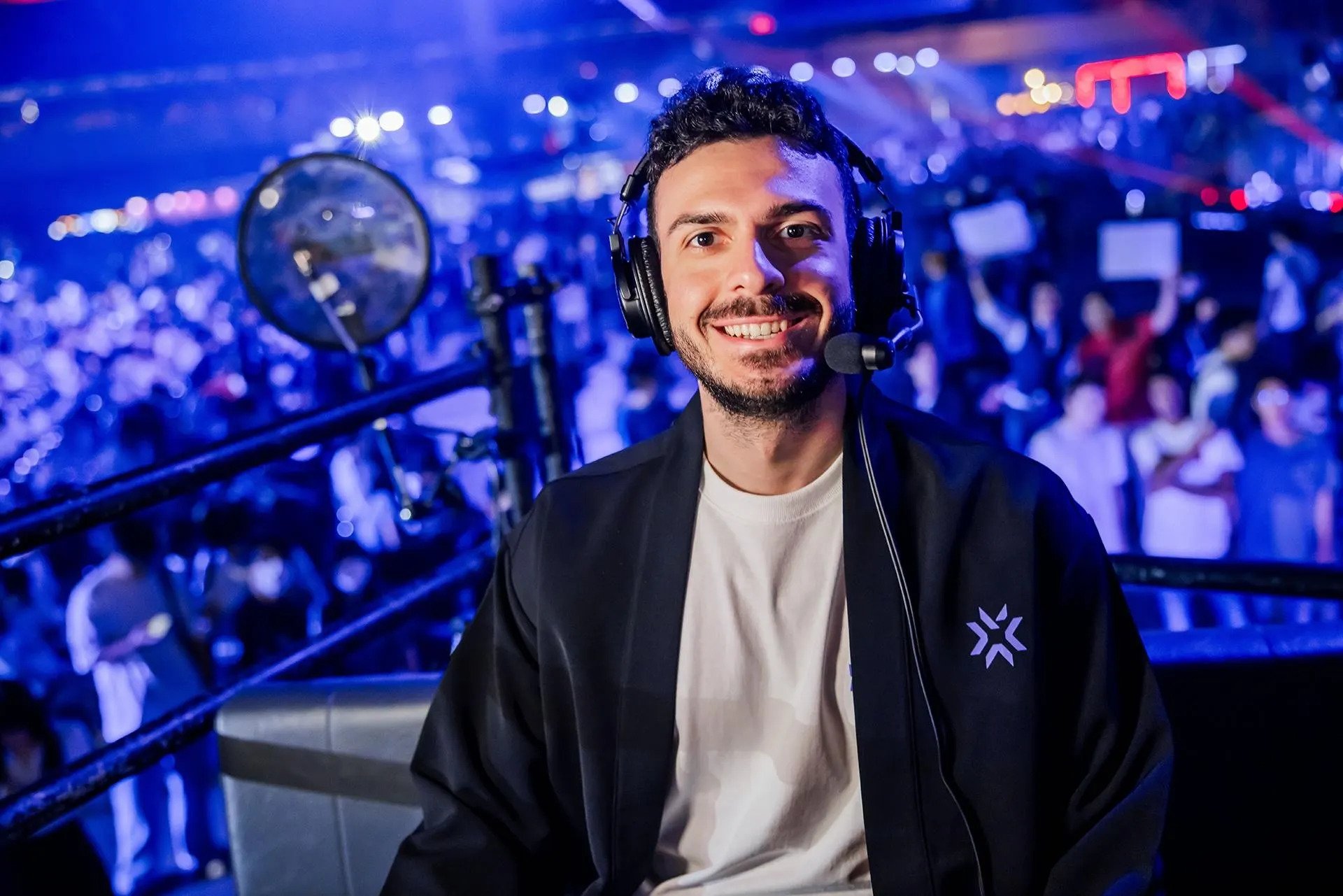
For his audience, a community streamer is not an impartial commentator but an authoritative opinion leader, a friend and an expert. His emotions, sympathies and analytical assessments on the live stream get into viewers’ minds far more strongly than dry statistics on HLTV.
Emotional contagion: If during a VCT match or a CS2 major a popular streamer says with burning eyes: “They are just going to destroy them on the second map, look at their economy!”, tens of thousands of viewers instantly believe that narrative.
A mass inflow of money on one outcome: The streamer’s audience starts piling money en masse onto the team their idol backed.
Distortion of the bookmaker’s line: Sportsbooks and automated live-odds algorithms see a huge inflow of money on a specific outcome and are forced to urgently shorten the odds to protect themselves from risk.
As a result, the odds on the popular team or on the obvious scenario (in the streamer’s opinion) become “overheated” and completely unprofitable.
2. The Flip Side of the Coin: Subjectivity and Blind Faith
The main weakness of community streamers as analysts is that they are people with their own sympathies, tilts and personal relationships with esports players.
Fan base and personal attachments: A streamer may be friends for years with the players of a certain roster or sincerely be a fan of a popular organization. When that team plays against an uncomfortable but strong opponent, the streamer subconsciously or openly roots for his own.
Creating false favorites: The crowd blindly follows the idol’s emotions, failing to notice the team’s tactical problems, the poor form of a key rifler or an unfavorable map pool.
For bookmakers, a crowd of fans led by a popular streamer is the perfect source of profit. Sportsbooks gladly accept huge volumes of money on “overrated” media favorites, shortening their odds.
3. Where Does the Value Hide? How a Bettor Can Profit from Co-Streams
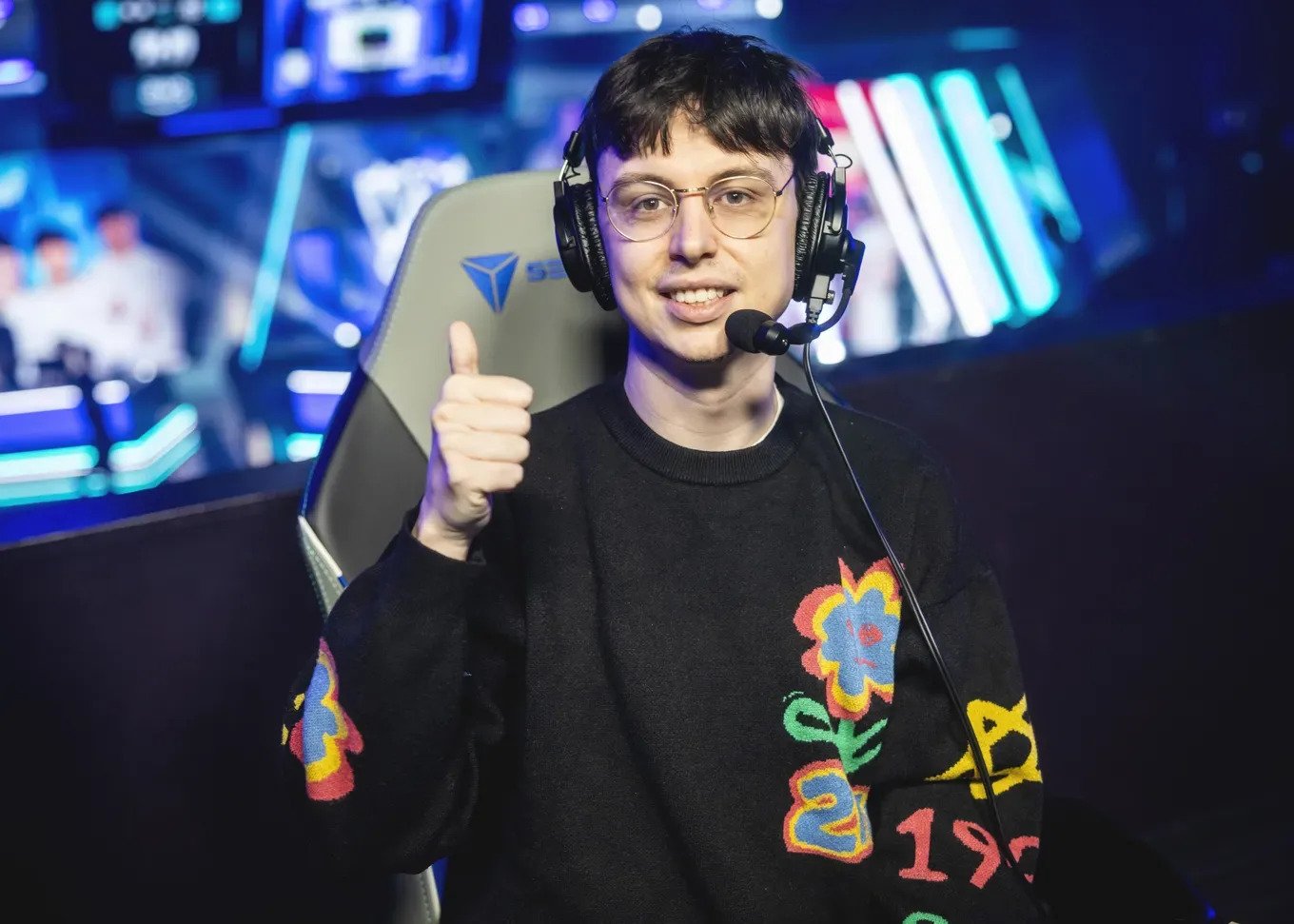
Experienced bettors use the community streamer effect on the principle of “bet against the crowd,” but they do it in a systematic and smart way.
A. Hunting for inflated underdog odds
When a streamer and his audience of thousands start betting en masse on a popular media giant, the odds on the underdog in the line begin to grow and swell to unjustifiably high values.
Strategy: If your own pre-match analysis, map pool statistics and consideration of the current meta show that the underdog’s chances are not 15%, but at least 35–40%, and the bookmaker, under pressure from public money, has raised the underdog’s odds sky-high, this is pure value. You get an excellent price precisely because the crowd blindly piled onto the streamer’s team.
B. Analyzing live odds in the moment
Community streamers like Caedrel often react vigorously to micro-moments during LEC or Worlds matches. If their chat and the streamer himself start panicking or, conversely, celebrating a team’s small mid-map win too euphorically, the bookmakers’ live algorithms can react instantly with a sharp jump in odds.
Strategy: Keep a cool head. While the stream’s viewers are in an emotional frenzy over a beautiful round and are snapping up the favorite’s win for pennies, you can catch favorable odds on the opposite outcome, understanding that the economy or the draft is still on the underdog’s side.
4. The Bettor’s Checklist: How to Account for the Community Streaming Factor
Watch high-profile matches: The co-streamer effect is strongest in matches involving popular streamer-backed teams. In matches between little-known Tier-2 teams, this effect is practically absent.
Track line movement: If you see that 2 hours before the match the odds on a popular team dropped sharply for no visible in-game reason, it is a sure sign that media hype and streamers have moved the crowd.
Switch off your emotions: Never place bets under the impression of your favorite streamer’s broadcast. Remember: his job is to put on a show and entertain the audience, while your job is to look for a mathematical edge over the bookmaker’s line.
Read also: The Psychology of Tilt: How Esports Players’ Emotions in CS2 Ruin Ironclad Parlays and Predictions; Bankroll Management in Esports: How Not to Lose Everything at CS2, LoL and Overwatch 2 Tournaments; Artificial Intelligence vs Expert Opinion: Can a Neural Network Fully Replace an Analyst in Esports?
FAQ
What is 322 in esports?
322 is the slang name for a fixed match. The term appeared after a well-known case in Dota 2, when a player bet against his own team and could have won 322 dollars.
How can you tell that a match might be fixed?
A single sign is not enough. Usually you should pay attention to several factors at once: the tournament level, the teams’ reputation, sharp changes in odds, suspicious in-game episodes and the transparency of the organizer.
Do fixed matches happen at Tier-1 tournaments?
Yes, such a possibility cannot be ruled out completely. However, at the biggest international tournaments the probability of a 322 is significantly lower thanks to players’ high salaries, reputational risks and heightened attention from organizers, viewers and bookmakers.
Why do bookmakers change odds?
Most often this is due to news about rosters, injuries, changes in team form or a large number of bets on a particular outcome. However, a sharp line movement with no obvious reason can be one of the signs of a suspicious match.
What is spot-fixing?
Spot-fixing is an attempt to influence not the result of the whole match, but a separate in-game event. For example, losing first blood in Dota 2 or deliberately giving away the first round in CS2.
Is it worth betting on little-known tournaments?
If you are a beginner, it is better to focus on major international championships. At little-known online tournaments it is harder to find reliable information about teams and organizers, and the risk of encountering suspicious matches is objectively higher.
One free pick a day — see the model's call before the match.
Get Started — Free
Read also
The Bootcamp Illusion: Why Upsets Keep Happening at the Start of VCT and CS2 Majors
The opening matches at CS2 majors and VCT tournaments regularly bring shocking results. Let's look at why grueling pre-tournament bootcamps play tricks on the favorites and how to use this in betting.
Read →Why Round Totals Bets in Valorant Are Riskier Than in CS2: Breaking Down the Impact of Ultimates
Round totals bets in Valorant hold more hidden risks than in CS2. We break down how ultimates break standard economic models, create unpredictable comebacks, and complicate prematch and live analytics.
Read →5 Esports Prediction and Analytics Sites: Where to Find Value and Accurate Stats
Where can you find accurate statistics for esports betting? We review the 5 best sites for analyzing CS 2, Dota 2 and Valorant matches, weigh their pros and cons, and highlight the technological features of the Ensitics platform.
Read →