The Bootcamp Illusion: Why Upsets Keep Happening at the Start of VCT and CS2 Majors
The opening matches at CS2 majors and VCT tournaments regularly bring shocking results. Let's look at why grueling pre-tournament bootcamps play tricks on the favorites and how to use this in betting.
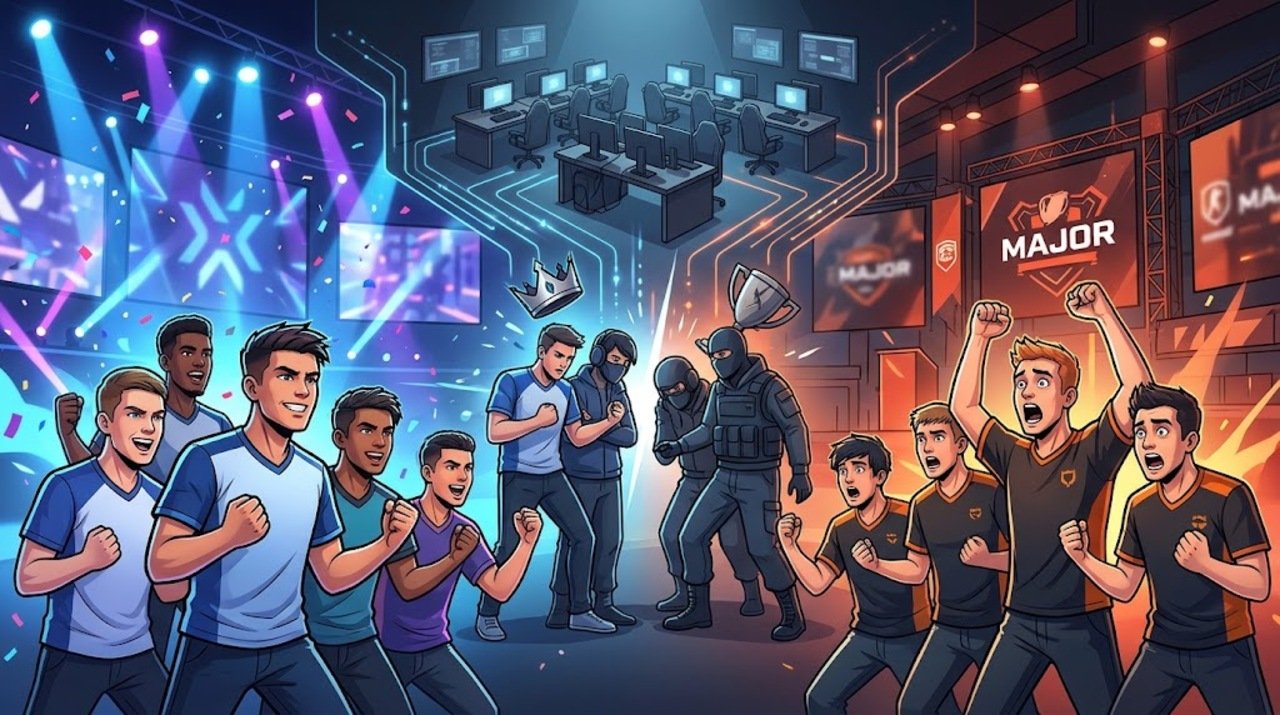
The start of any major Counter-Strike 2 or Valorant tournament, from Valve Majors to the international stages of the VCT series, is invariably accompanied by shocking results. Undisputed favorites who dominated the entire season suddenly lose to underdogs from Tier-2 regions, and the opening matches turn into a graveyard for accumulators.
The main trap for bettors and analysts lies in overestimating the pre-tournament bootcamp. The community is used to thinking that a month of training together at a closed facility guarantees peak team form. In practice, however, this factor often works in exactly the opposite way.
Why do grueling bootcamp sessions create a dangerous illusion of strength, and why do upsets always happen at the start of the year's biggest tournaments?
Use Ensitics.io as your pre-match checklist — try it for free → ensitics.io
1. The "Microclimate" Trap and the Lack of Real Match Practice
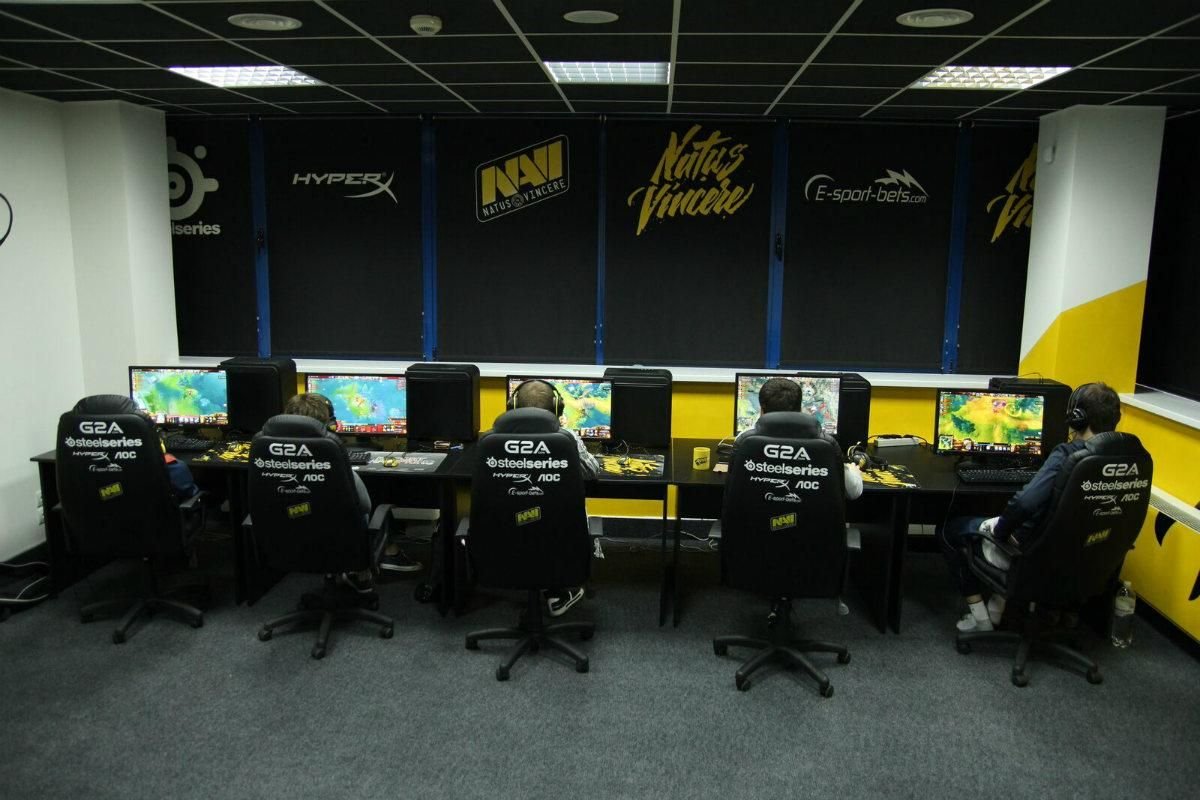
When an organization rents a facility for a bootcamp, the team shuts itself away for several weeks in an isolated space. The training process looks ideal: a strict routine, demo reviews, grenade practice, and a packed schedule of pracs (practice matches against other teams).
However, this isolation has a downside:
A meta vacuum: Round setups and non-standard prepared plays that work great against regular sparring partners in practice can turn out to be completely ineffective against a live opponent on stage.
Artificial confidence: At a bootcamp, the team stews in its own juices. If a team wins 70% of its practice matches against teams of its own level, the players develop a false sense of invincibility. They begin to believe their tactics are flawless.
No stress factor: No prac in a training room can recreate the pressure of the crowd, the roar of the arena, the shouting of the casters, and the weight of every mistake in an official match.
When such a team steps out for the first official game of the tournament, it faces a harsh reality in which the opponent does not play according to "convenient" practice patterns.
2. A Fresh Perspective vs. Memorized "Classics"
Underdogs and teams from less privileged regions often approach the start of major tournaments in a completely different psychological and physical state.
The element of surprise: Without the resources for full-fledged multi-month bootcamps with an expensive staff of analysts, underdogs bet on chaos, unconventional aggressive picks, and flexibility.
No burden of expectations: Favorites are under colossal pressure from their organization, fans, and the media. Any mistake in the first match breeds panic. Underdogs play with freedom, knowing that nobody expected them to win in the first place.
As a result, a favorite that spent three weeks at a bootcamp memorizing perfect strategies ends up completely unprepared for the wild pressure and unconventional play of an opponent who simply "breaks" their fundamental setups from the very first rounds.
3. Physical and Mental Exhaustion from Overtraining
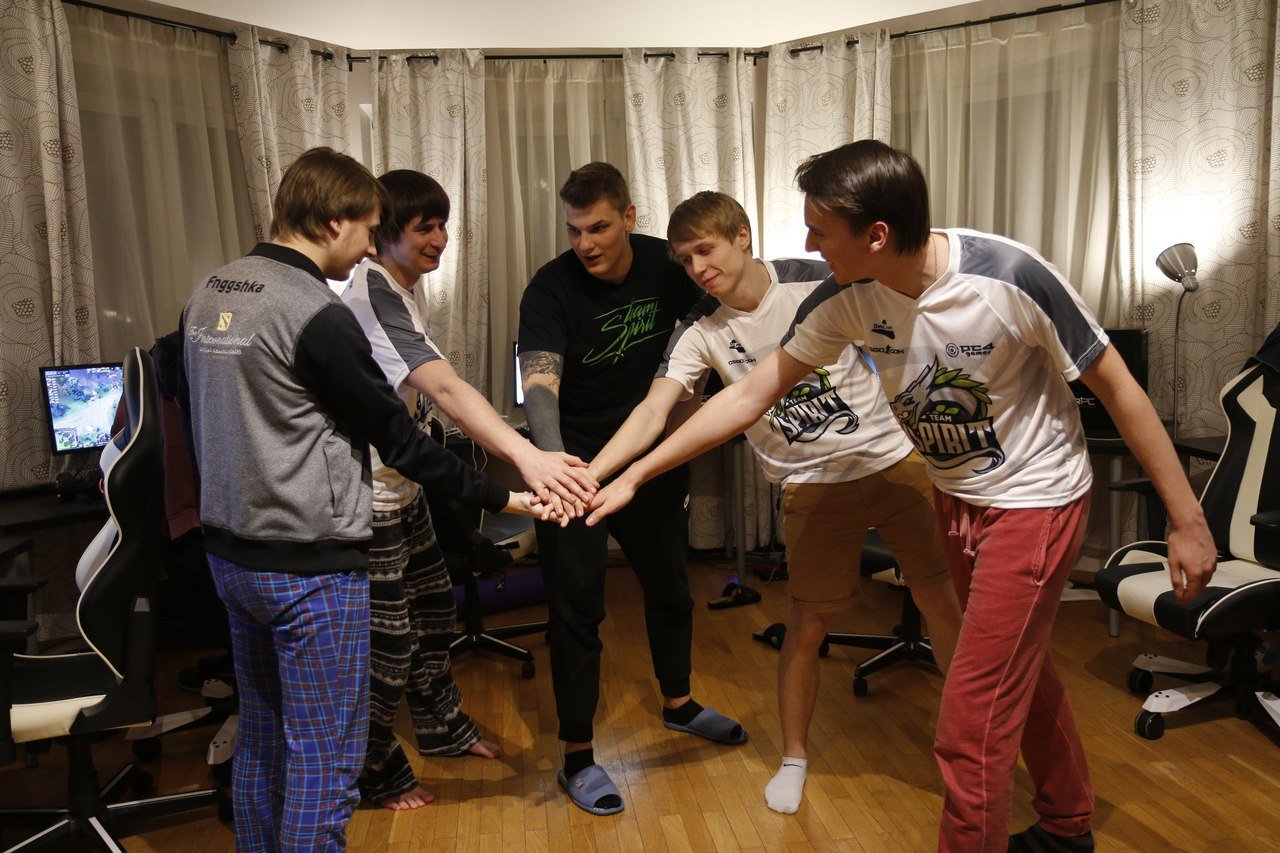
There is a direct link between bootcamp length and player burnout. Esports club management often demands that a roster practice 10–12 hours a day for a month before a tournament.
Accumulated fatigue: By the time the tournament starts, players arrive not fresh and hungry for wins, but mentally drained. Reactions slow down, and micro-moments are lost due to a plain lack of concentration.
The oversaturation effect: When tactical schemes are discussed for the hundredth time, players' intuition dulls. In critical situations, they start to "outplay" themselves, trying to find a complex, academic solution instead of relying on individual skill.
Teams that held a short but effective camp or arrived at the tournament with minimal rest at home often show livelier and more adaptive play than those who spent a month locked up at a training facility.
4. Bookmaker Algorithm Errors at the Start of Tournaments
For a bettor, understanding the bootcamp phenomenon opens up huge opportunities for finding value odds:
Bookmakers and automated analytical models see a team's status, factor in the information that the favorite had a "perfect month-long bootcamp," and set crushing odds (for example, 1.15 on the favorite versus 5.00 on the underdog in a BO1 match).
The market blindly trusts the authority of top teams and their "titanic preparation."
In practice, a BO1 match at the start of a tournament is always a lottery, where psychology, luck in pistol rounds, and the ability to adapt on the fly come to the forefront. In such conditions, placing huge sums on favorites with minuscule odds is a mathematically losing strategy.
Final Takeaway
The bootcamp illusion ruins both favorites on stage and bettors who place bets based on media hype around teams' "perfect preparation." A month of training in a closed room does not replace real competitive experience and flexible thinking.
The next time you see an overrated favorite fresh out of a long bootcamp at the start of a VCT event or a CS2 Major, remember this factor. It may be the best moment to back an underdog win or a cautious total over.
Read also: The Psychology of Tilt: How Esports Players' Emotions in CS2 Wreck Ironclad Accumulators and Predictions; Bankroll Management in Esports: How Not to Lose Everything at CS2, LoL, and Overwatch 2 Tournaments; Artificial Intelligence vs. Expert Opinion: Can a Neural Network Fully Replace an Analyst in Esports?
FAQ
What is 322 in esports?
322 is the slang term for a fixed match. The term originated after a well-known case in Dota 2, when a player bet against his own team and could have won 322 dollars.
How can you tell that a match might be fixed?
A single sign is not enough. Usually, you should pay attention to several factors at once: the tournament's level, the teams' reputations, sharp changes in odds, suspicious in-game episodes, and the organizer's transparency.
Do fixed matches happen at Tier-1 tournaments?
Yes, this possibility cannot be ruled out entirely. However, at the biggest international tournaments, the probability of a 322 is significantly lower thanks to high player salaries, reputational risks, and heightened attention from organizers, viewers, and bookmakers.
Why do bookmakers change odds?
Most often it is due to news about rosters, injuries, changes in team form, or a large volume of bets on a particular outcome. However, a sharp line movement with no obvious reason can be one of the signs of a suspicious match.
What is spot-fixing?
Spot-fixing is an attempt to influence not the result of the whole match, but a specific in-game event. For example, losing first blood in Dota 2 or deliberately giving up the first round in CS2.
Is it worth betting on little-known tournaments?
If you are a beginner, it is better to focus on major international championships. At little-known online tournaments, it is harder to find reliable information about teams and organizers, and the risk of running into suspicious matches is objectively higher.
One free pick a day — see the model's call before the match.
Get Started — Free
Read also
Why Round Totals Bets in Valorant Are Riskier Than in CS2: Breaking Down the Impact of Ultimates
Round totals bets in Valorant hold more hidden risks than in CS2. We break down how ultimates break standard economic models, create unpredictable comebacks, and complicate prematch and live analytics.
Read →5 Esports Prediction and Analytics Sites: Where to Find Value and Accurate Stats
Where can you find accurate statistics for esports betting? We review the 5 best sites for analyzing CS 2, Dota 2 and Valorant matches, weigh their pros and cons, and highlight the technological features of the Ensitics platform.
Read →How to Deal with Tilt After a Lost Bet: Bettor Psychology and a Step-by-Step Plan to Save Your Bankroll
A painful betting loss often pushes players into tilt, making them lose money on emotions. We explain why the "chasing itch" appears, how to recognize loss of control, and which rules will save your bankroll from a total drain.
Read →