Agent Synergy in Valorant: Why a Pick Without a Duelist or Initiator Is Doomed to Fail
Agent selection in Valorant often decides the outcome before the first round. We analyze why lacking a Duelist costs space, a pick without an Initiator blinds the team, and how this impacts every map.
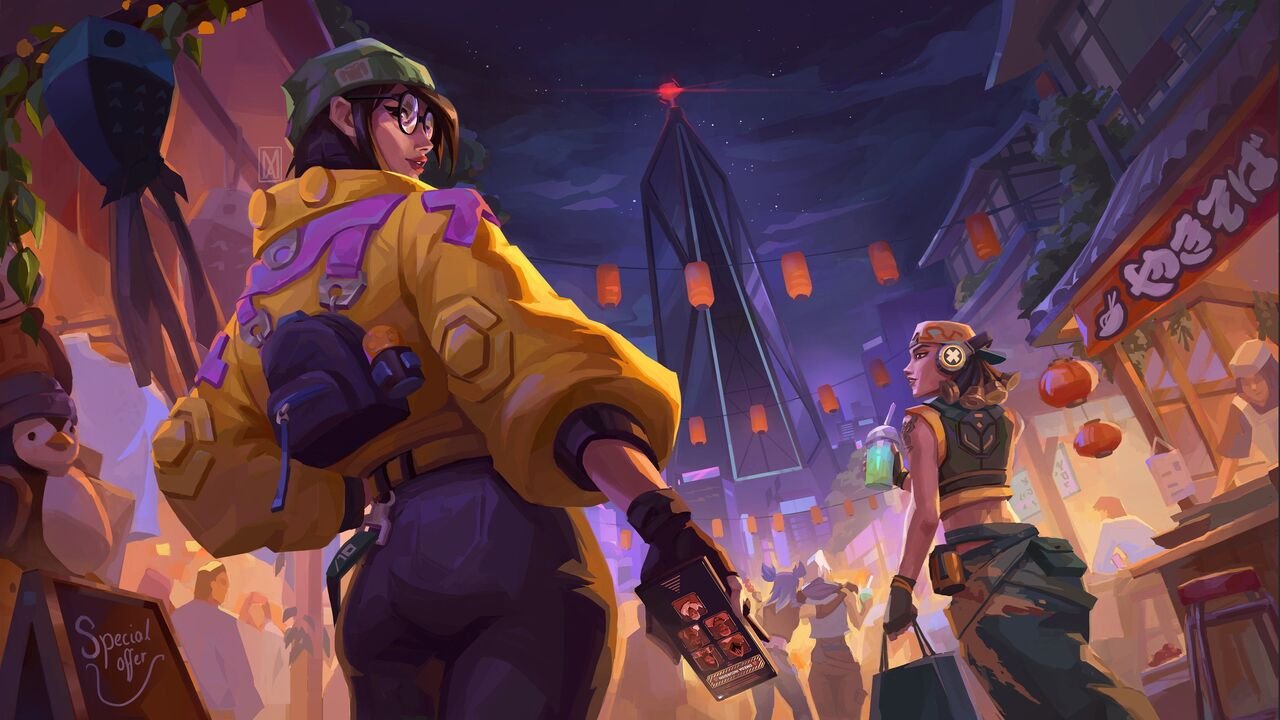
In Valorant, agent selection during the pick phase is not a mere formality or a matter of individual player preference. It is the fundamental foundation for how the entire match unfolds. As player skill increases and the competitive scene evolves, the tactical component of the game becomes increasingly demanding. One of the most common and fatal mistakes during the draft phase remains building a team composition that lacks a Duelist or an Initiator.
Let's break down why missing agents from these roles destroys team synergy, how it manifests across different maps, and why such compositions drastically reduce your chances of victory.
The Roles of Duelist and Initiator: Engines of Attack and Defense
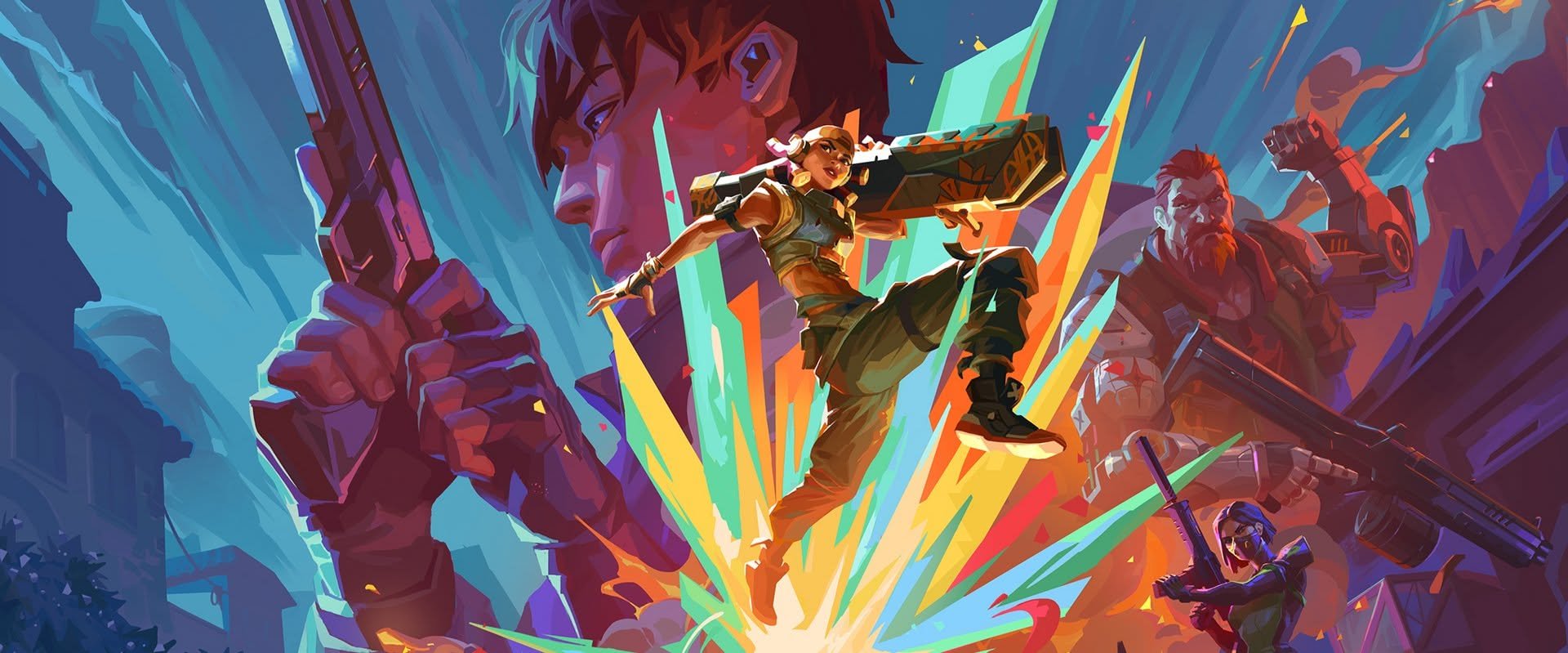
To understand the problem posed by missing these roles, it is important to define their key mental and mechanical-tactical functions.
Initiator: Responsible for gathering information and clearing space. Agents like Sova, Fade, Breach, Gekko, or KAY/O blind, concuss, flush enemies out of cover, and pinpoint defensive or offensive positions before entering a site.
Duelist: Responsible for the first entry and taking space. Jett, Raze, Reyna, Yoru, Neon, or Iso possess abilities to quickly dash into opponent positions, create chaos, and deal the opening damage.
Mechanics of Their Synergy
The Initiator and Duelist work in a constant link: The Initiator provides information and applies debuffs to the enemy $\rightarrow$ The Duelist entries into that zone and secures the kill.
If at least one link in this chain is removed, the entire structure of the game collapses.
What Happens to a Team Without an Initiator?

A composition without an Initiator forces the team to play "blind."
Site entry becomes suicide. Without Sova's recon darts, Fade's prowlers, or KAY/O's flashes, the team has no idea where the enemy Operator is positioned or which angles are held. When pushing through narrow chokepoints onto site, players walk straight into enemy crossfires.
Zero map control. Defenders can push aggressively into any zone without fear of being spotted. An attack without an Initiator loses the ability to rotate quickly because it lacks information on which areas of the map are clear.
Duelist rendered useless. Even the most skilled Duelist on Jett or Raze cannot safely entry onto a site if they are already in the crosshairs of three enemies whose positions remain completely unknown.
Use Ensitics.io as your pre-match checklist — try it for free → ensitics.io
What Happens to a Team Without a Duelist?

A lineup consisting solely of Sentinels and Controllers suffers from the "passive bottleneck" problem.
Lack of space creation. Even if the Initiator provides flawless intel and the Controller blocks vision with smokes, someone still has to cross the firing line quickly and draw enemy crosshairs. Controllers and Sentinels move far too slowly and predictably, making it easy for enemy crossfires to shut them down.
Timing problems. Without Jett's dash or Raze's blast packs, the team takes far too long meticulously clearing every angle. By the time they are ready to plant the Spike, enemy rotations are already complete and the team gets surrounded.
Helplessness on retakes. When attempting to retake a site after the Spike has been planted, it is precisely the Duelist who generates the initial chaos that allows the rest of the team to flood in.
Map Specifics: Where Is the Absence of These Roles Critical?
The impact of lacking Initiators and Duelists varies significantly depending on the layout of Valorant maps:
1. Open Maps with Long Sightlines (Breeze, Ascent)
Without an Initiator: On Ascent, pushing B site or B-main without recon is virtually a guaranteed loss. Sova's recon bolt or drone are vital for flushing defenders out of their positions. On Breeze, the lack of an Initiator leaves the team defenseless against enemy Operators.
Without a Duelist: On Ascent, main entrances are quickly choked off by smokes and Cypher or Killjoy trapwires. Without a dash or blast pack jump, pushing through main chokepoints becomes impossible.
2. Maps with Narrow Corridors and Tight Corners (Bind, Split)
Without an Initiator: Bind and Split are packed with tight corners and ambush spots. Trying to dry-peek Hookah on Bind or A-Ramps on Split without flashes or clearing abilities from Breach or Fade leads to instant deaths.
Without a Duelist: In the narrow corridors of these maps, defenders can easily hold angles. Without an aggressive entry from a Duelist, the attacking team gets bottlenecked at chokepoints and eliminated by enemy utility and molotovs.
3. Three-Site Maps or Complex Rotations (Haven, Lotus)
Without an Initiator: On these maps, victory hinges on rapid info gathering and executing fakes. Without Initiators, the team cannot verify whether a site is defended by only one or two opponents, ending up wasting precious utility and time.
Without a Duelist: Rotating between sites on Lotus requires immediately taking contested neutral areas (Mound, Rubble). Without a Duelist, the team forfeits map control without putting up a fight.
Final Conclusion
In Valorant, role synergy outweighs individual raw skill. A pick without an Initiator blinds the team, turning every site push into Russian roulette. A pick without a Duelist robs the team of momentum and the ability to effectively capitalize on gathered intel.
To climb the ranks consistently and sustain high performance, drafts must rely on an essential balance: Information (Initiator) + Space (Duelist) + Control (Controller) + Lockdown (Sentinel). Breaking this formula automatically slashes your chances of winning before the first round even begins.
Read also: Tilt Psychology: How CS2 Esports Players' Emotions Ruin Accumulators and Predictions; Bankroll Management in Esports: How Not to Lose Everything in CS2, LoL, and Overwatch 2 Tournaments; Artificial Intelligence vs. Expert Opinion: Can a Neural Network Completely Replace an Esports Analyst?
FAQ
What is 322 in esports?
322 is a slang term referring to match-fixing. It originated from a notorious Dota 2 incident where a player bet against his own team to win $322.
How to identify if a match might be fixed?
A single clue is not enough. Generally, it is best to evaluate multiple factors at once: the tournament tier, team reputations, drastic odds shifts, suspicious in-game plays, and the organizer's transparency.
Does match-fixing happen in tier 1 tournaments?
Yes, that possibility cannot be completely ruled out. However, in major international tournaments, the likelihood of a 322 is considerably lower due to high player salaries, reputational risks, and close scrutiny from organizers, spectators, and sportsbooks.
Why do sportsbooks change odds?
It is almost always driven by news regarding rosters, injuries, changes in team form, or a large volume of bets placed on a specific outcome. However, a sharp line movement without an apparent cause can be an indicator of a suspicious match.
What is spot-fixing?
Spot-fixing involves attempting to manipulate not the final match outcome, but a specific in-game event. For example, giving up first blood in Dota 2 or intentionally losing the first round in CS2.
Is it worth betting on lesser-known tournaments?
If you are a beginner, it is better to focus on established international championships. In lower-tier online tournaments, finding reliable data on teams and organizers is harder, and the risk of encountering suspicious matches is objectively higher.

MR12 Economy in CS 2: How the Format Change Shifted the Value of Pistol Rounds and Force-Buys for Totals Betting
CS2's transition to MR12 increased the value of each round by 20%. Discover why pistol wins trigger Unders and how second-round force-buys drive Overs.
Social Media Leaks and Rumors: How to Filter Information Noise Before Key Matches
In the social media era, a rumor about a roster change, a key player's illness, or team conflict can collapse the odds for a major match in minutes. Yet 80% of such 'leaks' turn out to be fake news or manipulation. We examine how to filter information noise, verify sources, and rely solely on facts before crucial matches.
Tier-2 Esports Scene: Where to Find Hidden Value Bets and Why Favorites Often Lose to Underdogs
The Tier-2 esports scene is a world of chaos, information deficit, and unexpected upsets. While bookmaker algorithms rely on raw stats, favorites regularly lose due to motivation issues, ping, and unrevealed opponent map pools. We break down how to find hidden value and what to look for when analyzing semi-pro matches.