Social Media Leaks and Rumors: How to Filter Information Noise Before Key Matches
In the social media era, a rumor about a roster change, a key player's illness, or team conflict can collapse the odds for a major match in minutes. Yet 80% of such 'leaks' turn out to be fake news or manipulation. We examine how to filter information noise, verify sources, and rely solely on facts before crucial matches.
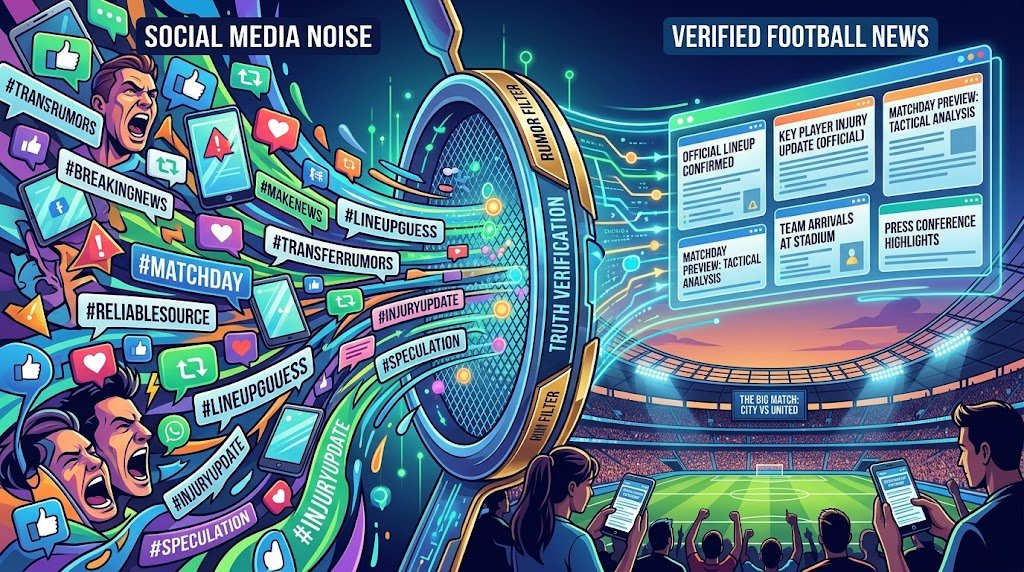
Modern esports takes place not only during Twitch and YouTube broadcasts, but also 24/7 on Telegram, X (Twitter), Discord, and Reddit. A few hours before a crucial tournament match kicks off, social media is flooded with posts: “The team's star is sick”, “Conflict broke out at the bootcamp”, “An academy stand-in will play tomorrow”.
Such reports instantly affect the odds and trigger panic among fans and analysts. But how do you distinguish valuable, reliable information from planned manipulation, clickbait, or mere rumor?
1. Source Categorization: Who Can You Trust?
Not all accounts with a blue checkmark are equally credible. All pre-match sources can be divided into four tiers of reliability:
Tier-1: Official sources and verified insiders Official club announcements, player profiles, confirmed information from leading esports insiders and reputable journalists (such as HLTV, Liquipedia, Dot Esports). Reliability chance: 90–95%.
Tier-2: Player and staff activity (Faceit / Faceit lobbies / Steam) Indirect evidence: changes in Steam friend lists, player absence from pracs (scrims), match history on FACEIT or Dota2ProTracker from the last 12 hours. Reliability chance: 70–80%.
Tier-3: Streamers, analysts, and community personalities Opinions of esports bloggers, comments taken out of context from personal streams. These are often personal assumptions or regurgitated rumors without factual backing. Reliability chance: 30–50%.
Tier-4: Anonymous Telegram channels and Reddit / X threads Messages from unverified accounts. In 90% of cases, created for hype, clicks, or artificial betting odds manipulation. Reliability chance: <10%.
2. Key Mechanisms of “Information Noise”
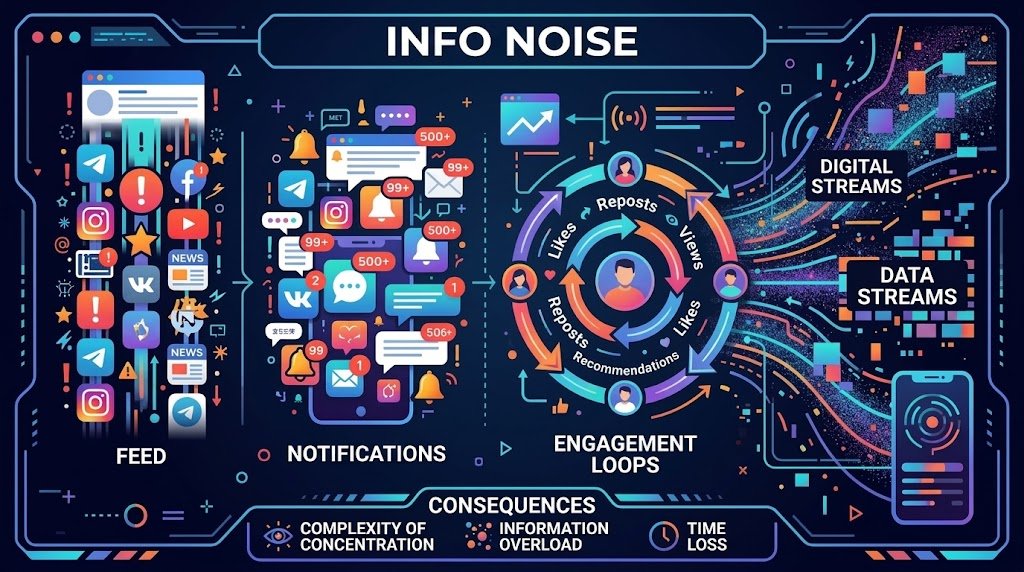
To filter content effectively, one must understand why fake leaks are created before major matches:
“Hype building” before an announcement (PR leak) Organizations or agents might intentionally release rumors about roster changes to gauge community reactions or inflate a player's transfer value.
Psychological attack on the opponent Creating the appearance of roster issues (e.g., rumors of the captain falling ill) so that rivals underestimate the match and prepare for a “weakened” opponent.
Odds manipulation Spreading false information about the team leader's absence 2 hours before the match causes a sharp shift in odds. Manipulators exploit these fluctuations to their advantage.
3. Checklist: How to Verify a Leak in 5 Minutes
If you encounter a sensational piece of news before a match, run it through 4 filters:
Primary source: Is there a link to a specific person, a screenshot from the game client, or an official statement? If a post begins with the words “According to our information...” without citing any basis—it should not be trusted.
In-game activity tracking: Check stats platforms (HLTV, Steam profile, Dota2ProTracker, Tracker.gg). Did the player play scrims (pracs)? Were they active online?
Bookmaker reaction: Have odds shifted across top bookmakers? Professional analytics departments monitor situations faster than social media. If the odds remain unchanged, the leak is most likely fake.
Rule of two independent confirmations: Do not make decisions based on a single post. Wait for confirmation from at least one independent outlet or trusted insider.
Conclusion
Information noise before major matches is an inseparable part of modern esports. For an analyst and a fan, keeping a cool head is essential: facts and hard digital data are always more important than emotional posts on social media. Filter your sources, verify in-game activity, and never let fake sensations affect your evaluation of a match.
Read also: Psychology of Tilt: How Esports Players' Emotions in CS2 Ruin Safe Parlays and Picks; Bankroll Management in Esports: How Not to Lose Everything on CS2, LoL, and Overwatch 2 Tournaments; Artificial Intelligence vs Expert Opinion: Can a Neural Network Completely Replace an Esports Analyst?
FAQ
What is 322 in esports?
322 is slang for a match-fixing incident. The term originated after a infamous Dota 2 scandal where a player bet against their own team to win $322.
How can you tell if a match might be fixed?
A single signal is not enough. You should usually consider several factors at once: tournament tier, team reputations, sudden shifts in odds, suspicious in-game moments, and organizer transparency.
Does match-fixing happen at tier-1 tournaments?
Yes, the possibility cannot be completely ruled out. However, at major international tournaments, the likelihood of 322 is significantly lower due to high player earnings, reputational risks, and heightened scrutiny from organizers, viewers, and bookmakers.
Why do bookmakers change odds?
Most commonly, this stems from news about rosters, injuries, changes in team form, or a large volume of bets placed on a specific outcome. However, a sharp line movement without an obvious reason can be a red flag pointing to a suspicious match.
What is spot-fixing?
Spot-fixing is an attempt to influence not the final outcome of the entire match, but an individual in-game event. For example, deliberately giving up first blood in Dota 2 or intentionally losing the opening pistol round in CS2.
Is it worth betting on lesser-known tournaments?
If you are a beginner, it is better to focus on major international championships. In lesser-known online tournaments, reliable information about teams and organizers is harder to find, and the risk of encountering suspicious matches is objectively higher.

Tier-2 Esports Scene: Where to Find Hidden Value Bets and Why Favorites Often Lose to Underdogs
The Tier-2 esports scene is a world of chaos, information deficit, and unexpected upsets. While bookmaker algorithms rely on raw stats, favorites regularly lose due to motivation issues, ping, and unrevealed opponent map pools. We break down how to find hidden value and what to look for when analyzing semi-pro matches.
Anatomy of a Comeback: What Legendary Moments in CS2, Dota 2, LoL, and Valorant Have in Common
A comeback in esports is neither an accident nor magic. It is a precise algorithm combining an opponent's economic collapse, tactical adaptation, resource caps, and mental exhaustion. We break down the anatomy of the greatest comebacks in CS2, Dota 2, LoL, and Valorant.
What Is a Value Bet and How to Find Value Bets in Esports
A value bet is a wager where the actual probability of an event is higher than the odds imply. Learn how to find value bets and calculate positive EV in esports.