CS 2 vs Valorant in Betting: Where Is It Easier to Predict Outcomes and What Is the Difference for an Analyst
Which tactical shooter is better suited for esports betting? We compare CS 2 and Valorant: shooting mechanics, patch impact, economy, and the specifics of analytics for successful betting.

Esports betting has long since gone beyond being a simple hobby for fans. Today it is a serious market that requires deep analytics, an understanding of the game discipline, and a mathematical approach. The two main tactical esports titles of our time — Counter-Strike 2 and Valorant — look similar on the surface: they are classic 5v5 tactical shooters in an "attack versus defense" format.
However, under the hood these games hide completely different mechanics, economic models, and approaches to balance. Because of this, the process of predicting matches and finding value odds in CS 2 and Valorant differs radically.
Where is it easier to predict outcomes? What pitfalls await an analyst in both titles? Let's break it down in detail.
Use Ensitics.io as your pre-match checklist — try it for free → ensitics.io
1. Fundamental Differences: Shooting vs Abilities
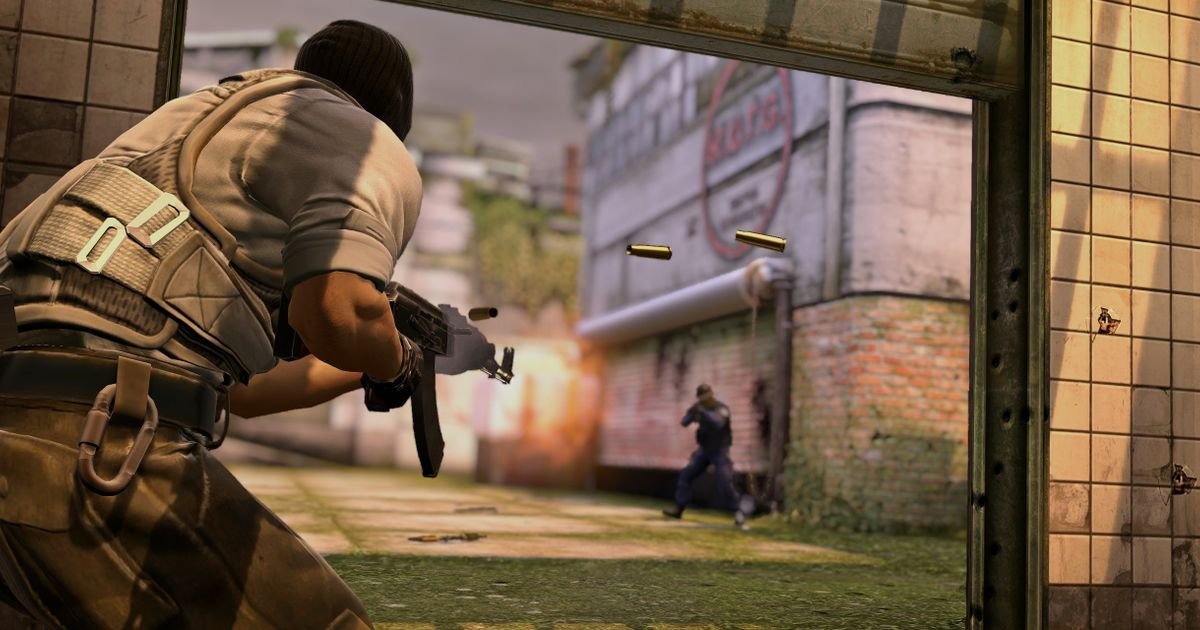
The main dividing line between the two titles lies in what exactly decides the outcome of a duel: pure shooting mechanics or the use of unique abilities (agents).
Counter-Strike 2: The Pure Arithmetic of Aim and Economy
Basis of the metrics: In CS 2, all players are on equal footing in terms of hitboxes and the basic arsenal (except for sniper rifles). The outcome of a match depends 70% on individual aim (Rating 2.0), positional play, timings, and a strict economy (MR12).
Advantage for the analyst: Statistics are easier to quantify. HLTV and other trackers provide exhaustive data on the individual form of riflers, the percentage of won duels (Opening Duels), and effectiveness at specific positions.
Valorant: Agent Synergy and the "Chaos" of Abilities
Basis of the metrics: Valorant is chess with elements of a shooter. Character abilities (flashes, walls, teleports, slowing orbs) can completely flip the outcome of a round regardless of how accurately the opponent shoots.
Difficulty for the analyst: Quantifying the value of an ultimate ability or a proper "setup" (second-by-second scripted utility throws) is much harder. A team may have weak individual shooters, yet thanks to perfect agent synergy still shut down top-tier opponents.
2. Map Pool and Patch Analysis: CS 2 Stability vs the Riot Games Meta
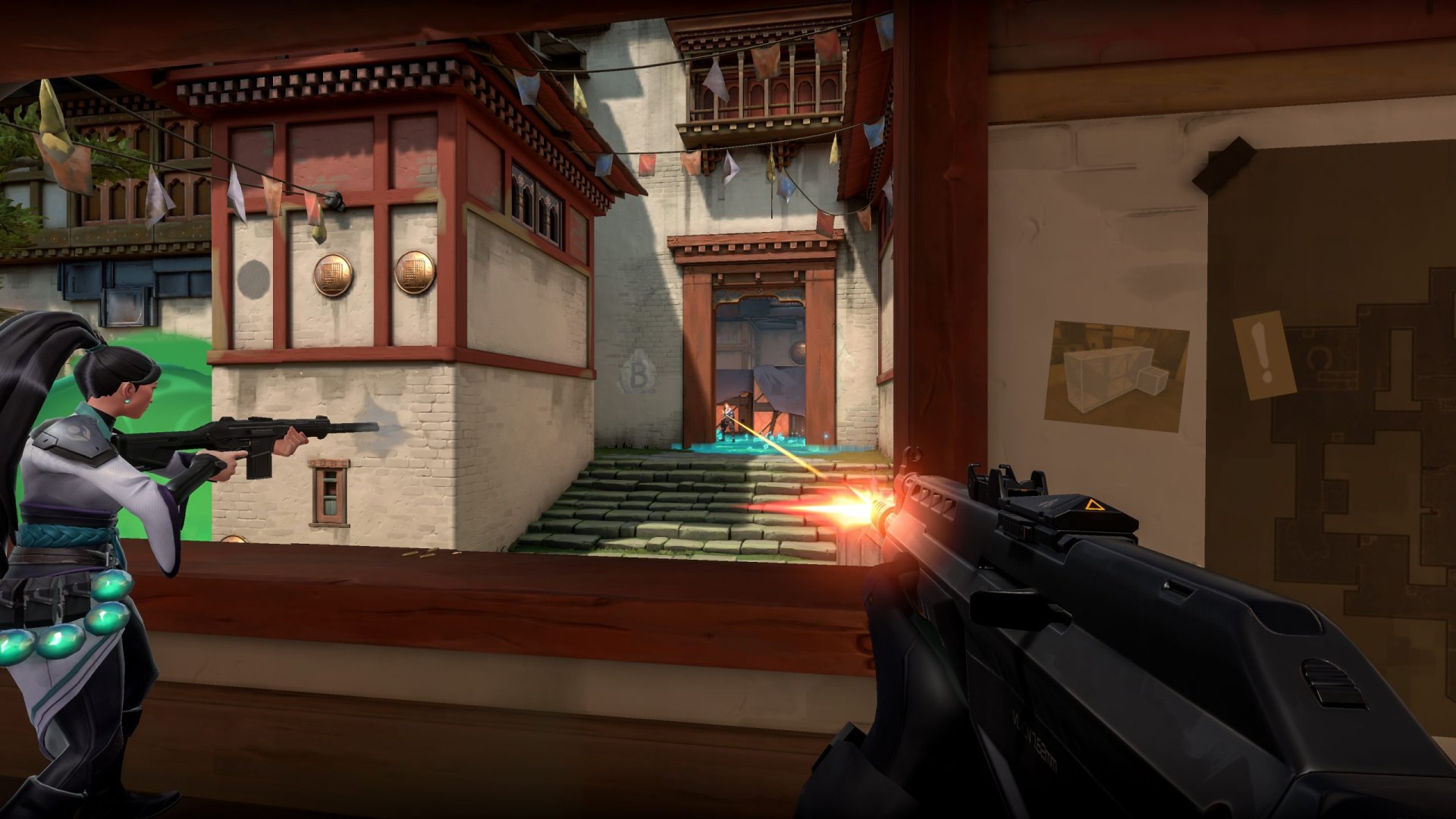
The pace of change in a game directly affects how far ahead long-term predictions can be made.
CS 2 conservatism: Maps in the map pool change extremely rarely. The set of arenas (Mirage, Inferno, Nuke, Anubis, Ancient, Dust II, Inferno) has been studied thoroughly. Teams spend years polishing their default-position setups.
Advantage for the bettor: It is easy to forecast map pool vectoring (which maps a team will ban and which it will pick in BO3/BO5).
Riot Games dynamics: The Valorant developers regularly release balance patches, change agent abilities, rework maps, and introduce new characters. The meta can flip completely right in the middle of a major tournament (VCT).
Difficulty for the bettor: Pre-match analysis prepared a week ago can become outdated because of a patch released on the eve of the match. The analyst has to track not just team form, but how teams have adapted to fresh balance changes.
3. Scene Tiers and the Upset Factor
The density of teams and the number of unexpected results are a key factor when choosing a title to bet on.
CS 2 (Tier-1 vs Tier-2/3): On the professional CS 2 scene, the gap between top teams (NaVi, Vitality, Spirit, FaZe) and the so-called Tier-2 world is huge, but qualifiers and online tournaments see plenty of upsets due to the volatility of the MR12 format.
Valorant (Franchising and regions): The VCT (Valorant Champions Tour) system is divided into strict franchise regions (EMEA, Americas, Pacific, China). Because of this closed ecosystem, top clubs play each other constantly.
Betting specifics: In Valorant, the "tier-2" scene (Challengers) is incredibly dense. Underdogs often beat favorites thanks to unconventional setups (especially in the BO1 format in the early stages of tournaments), which makes risky bets on underdogs in Valorant more profitable, but also more dangerous.
4. Where Is It Easier to Predict: A Comparison for the Analyst
There is no definitive answer to "which is easier" — it all depends on your background and analytical mindset.
It is easier to predict CS 2 if:
You rely on dry statistics, individual player ratings (HLTV), and the map pool.
You understand the mechanics of team economies (wipes, force-buys, anti-eco).
You prefer stability: tactical concepts in CS change over years, while the basic principles of reading the game remain unchanged.
It is easier to predict Valorant if:
You deeply understand the agent meta, roster synergy, and how counter-picks affect a round.
You are able to analyze tactical setups prepared by team coaches and analysts (team interactions on retakes and executes).
You are ready to work with matches where an individual aim advantage means nothing without team discipline.
Final Verdict
For newcomers to esports betting, Counter-Strike 2 usually seems more understandable: it has a transparent economy, familiar esports metrics, and a stable map pool. Bookmaker mistakes in CS 2 are more often related to underestimating team fatigue or the form of individual riflers.
Valorant requires a more comprehensive approach. Here the analyst needs to keep dozens of parameters in mind: from the patch meta and the abilities of new agents to the psychological resilience of a roster on the international stage. However, it is precisely in Valorant, due to the game's high complexity, that bookmakers more often make mistakes in their odds on underdogs winning maps, leaving a huge field for finding value.
Read also: The Psychology of Tilt: How Esports Players' Emotions in CS2 Ruin Iron-Clad Parlays and Predictions; Bankroll Management in Esports: How Not to Lose Everything at CS2, LoL, and Overwatch 2 Tournaments; Artificial Intelligence vs Expert Opinion: Can a Neural Network Completely Replace an Analyst in Esports?
FAQ
What is 322 in esports?
322 is the slang term for a fixed match. The term originated after a well-known case in Dota 2, when a player bet against his own team and could have won 322 dollars.
How can you tell that a match might be fixed?
A single sign is not enough. Usually you should pay attention to several factors at once: the tournament level, the reputation of the teams, sharp changes in odds, suspicious in-game episodes, and the transparency of the organizer.
Are there fixed matches at tier-1 tournaments?
Yes, such a possibility cannot be completely ruled out. However, at the biggest international tournaments the likelihood of 322 is significantly lower thanks to high player salaries, reputational risks, and heightened attention from organizers, viewers, and bookmakers.
Why do bookmakers change odds?
Most often this is due to news about rosters, injuries, changes in team form, or a large number of bets on a particular outcome. However, a sharp line movement without an obvious reason can be one of the signs of a suspicious match.
What is spot-fixing?
Spot-fixing is an attempt to influence not the result of the entire match, but a specific in-game event. For example, losing first blood in Dota 2 or deliberately giving away the first round in CS2.
Is it worth betting on little-known tournaments?
If you are a beginner, it is better to focus on major international championships. At little-known online tournaments it is harder to find reliable information about teams and organizers, and the risk of encountering suspicious matches is objectively higher.
One free pick a day — see the model's call before the match.
Get Started — Free
Read also
Betting on Player Stats in CS2: When to Pick Over/Under on Key Rifler Frags
Betting on individual kill totals in CS2 requires a deep understanding of player map roles. We analyze how the MR12 format changed player statistics, when to bet Over or Under on key rifler kills, and what to focus on during pre-match analysis.
Read →Kelly Criterion in Esports: How to Calculate the Ideal Bet Size Based on Probabilities
Learn how to protect your bankroll from emotional esports bets with the Kelly Criterion. Discover how to identify value, calculate stakes, and adapt risk via Quarter-Kelly.
Read →How to Turn Baron and Dragon Fights into Profitable Live Bets in LoL
Epic objectives in LoL are the primary catalyst for thrilling comebacks and swift map finishes. We explore how to predict Soul Point fights, avoid Baron traps, and profit from live betting.
Read →